Medical Rehabilitation
Myoelectric Prosthetic Hand
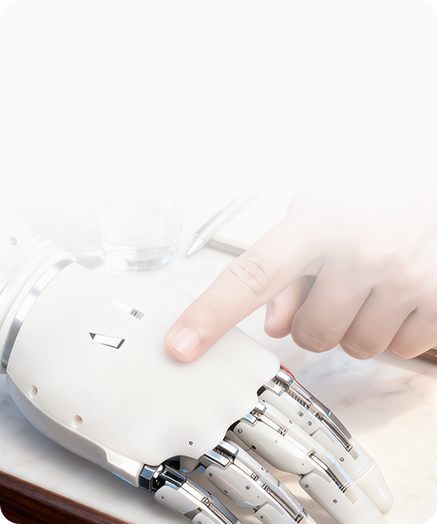
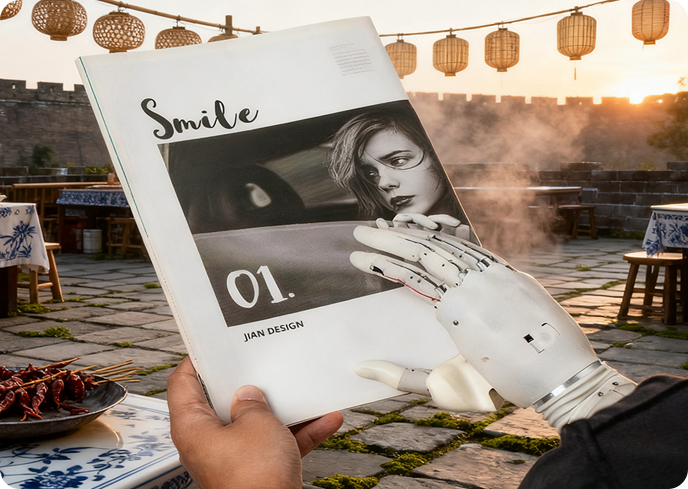
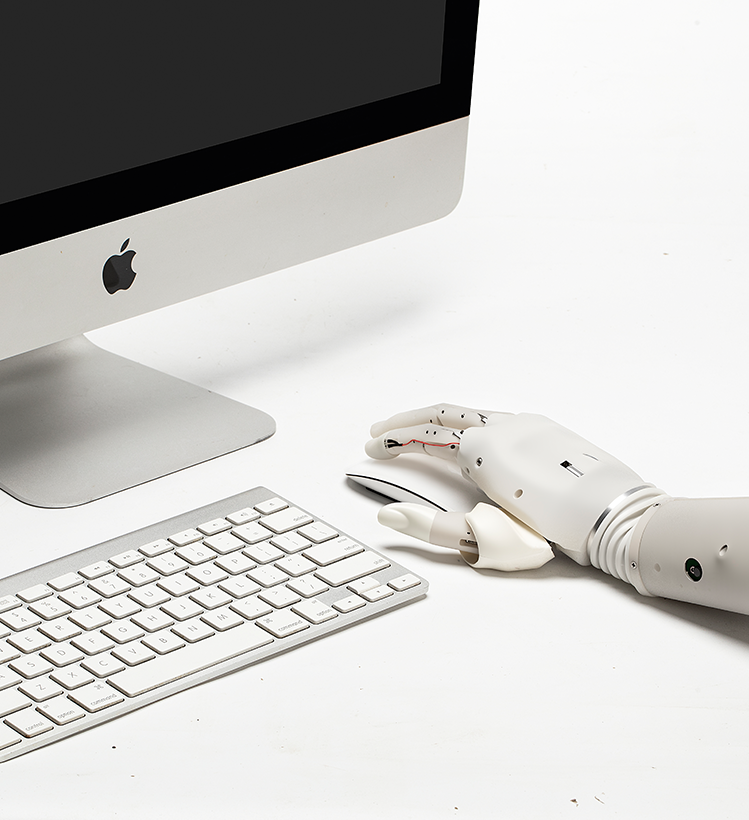
Uses muscle signals from the residual limb to control basic hand movements such as grasping. Tactile feedback helps the user monitor and adjust grip.
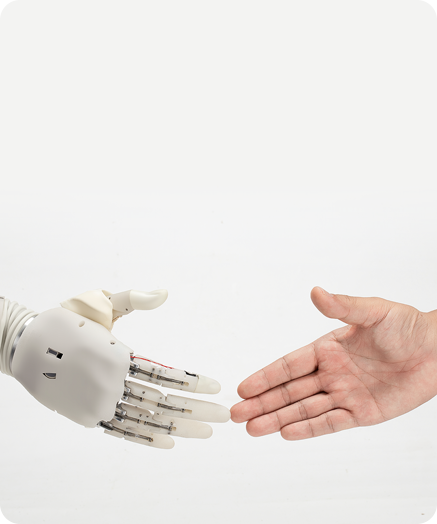
Kapitels(Beijing) Technology Co., Ltd develops myoelectric prosthetic hands and dexterous robotic hands. We provide products and technology for medical rehabilitation, industrial robots and service robots. Our work combines biomechanics, electronics and artificial intelligence.
Our in-house biosignal sensing system uses deep-learning algorithms to detect weak muscle signals and respond within milliseconds. Tactile feedback and adaptive grip control help make everyday tasks such as holding a cup or picking up objects feel more natural
We continue to develop myoelectric control and flexible-sensor technologies for rehabilitation and robotics. Our aim is to make prosthetic control easier and robotic movement more precise.
Uses muscle signals from the residual limb to control basic hand movements such as grasping. Tactile feedback helps the user monitor and adjust grip.
Combines biosignal sensing and adaptive software to support personalized rehabilitation training.
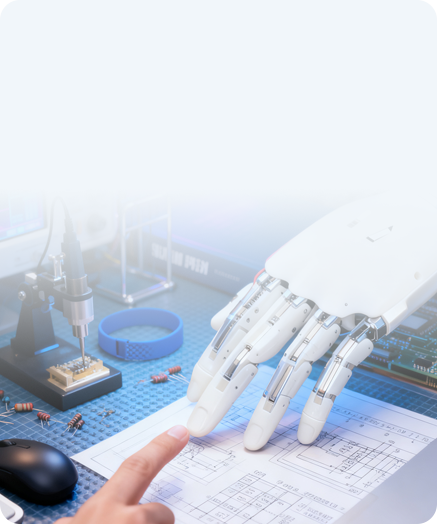
Designed for precise gripping and handling in industrial automation and service robots.
Core modules for partners, including flexible sensors, tactile feedback and motion control.
Myoelectric Prosthetic Hand
Rehabilitation System with a Myoelectric Control Interface
Modular Output of Bionic Technology
Dexterous Robotic Hand
We develop our biosignal sensing hardware and control software in-house.
We provide customized prosthetic solutions for rehabilitation and modular gripping systems for industrial customers.
We work with medical institutions, robotics companies and research organizations to turn laboratory technology into practical products.
Our sensors detect weak muscle signals. Signal-processing software interprets changes in grip strength and gestures within milliseconds.
Upper-limb rehabilitation is a long-term need. Our goal is to make useful technology more accessible to people who need it.
Future Development
We are exploring brain-computer interfaces, flexible electronic skin and related technologies for future human-machine interaction and intelligent robotics.
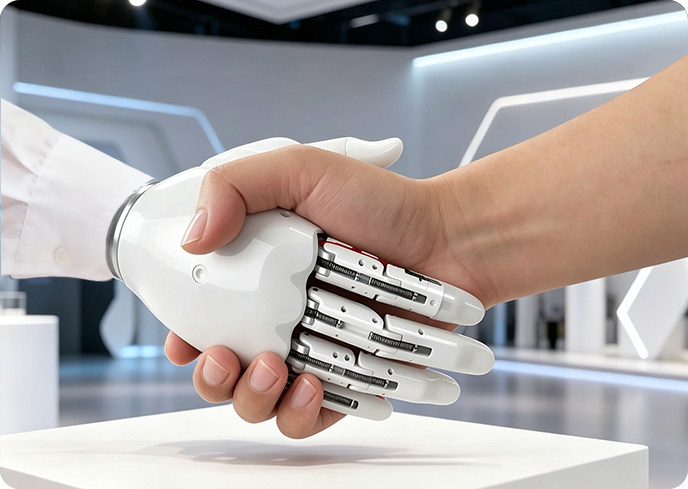
Our prosthetic hands are designed to help users regain essential everyday functions and use tools more easily. Flexible sensors and adaptive software help the system respond to user intent with less training. Our biosignal and tactile-feedback technologies are also available as modules for medical-device and robotics companies.
We apply biosignal processing and adaptive grip control from rehabilitation products to industrial robots. Testing in demanding industrial environments also helps us improve the stability, durability and response time of our prosthetic systems.